
Looking for alopecia treatment in Kitengela?
Treatment begins with identifying the cause of your hair loss. Depending on your diagnosis, treatment may include
- PRP Hair Therapy
- Prescription medications
- Topical hair treatments
- Treatment of hormonal or nutritional deficiencies
- Lifestyle and scalp care advice
PRP works best for certain types of alopecia, particularly early male and female pattern hair loss, but it is not suitable for everyone.
Finding the right alopecia treatment starts with understanding one simple truth: not all hair loss is the same, and neither is the solution. If you’ve noticed thinning at your hairline, a bald patch on your scalp, or more hair than usual collecting in the shower, you’re not alone, and more importantly, you’re not without options.
Alopecia isn’t a single condition but a group of different hair loss types, each with its own causes and treatments. Getting the right diagnosis is the first step toward real regrowth. What works for one person may not work for another, making personalized diagnosis, as we do at Silverrose Skin Clinic, necessary for effective care.
Among today’s non-surgical options, Platelet-Rich Plasma (PRP) therapy has become one of the most sought-after hair loss treatments. It uses your body’s own healing properties to stimulate weakened hair follicles and encourage healthier, thicker hair growth.
In this guide, we’ll explore the different alopecia types, common causes of hair loss, how alopecia is diagnosed, and whether PRP could be the right treatment for you.
What Is Alopecia?
Alopecia is a term used to describe hair loss that occurs when hair follicles stop producing hair normally. While losing some hair every day is part of the natural hair growth cycle, alopecia occurs when hair loss becomes noticeable, excessive, or affects areas of the scalp and body.
For many people, hair loss is more than a cosmetic concern; it can affect confidence and emotional well-being. The good news is that modern alopecia treatment options can help manage hair loss, support existing hair follicles, and improve hair density when the right treatment is chosen.
Understanding the condition and getting an accurate diagnosis is the first step toward finding an effective solution, including advanced treatments such as PRP hair therapy.
Why Proper Alopecia Diagnosis Matters
One of the biggest mistakes people make is treating hair loss before understanding what’s causing it. Hair thinning can result from hormones, stress, autoimmune conditions, nutritional deficiencies, genetics, or even certain hairstyles.
Although the symptoms may look similar, the treatments can be completely different.
At Silverrose Skin Clinic, our dermatologist will usually begin with a thorough assessment that may include:
🩺
Medical History
Your dermatologist will ask about when your hair loss began, whether it runs in your family, any recent illnesses, medications, or stressful events that may have contributed.
🔬
Trichoscopy
A close examination of your scalp and hair follicles using a special magnifying device helps identify patterns of hair loss and signs of scalp disease.
🩸
Blood test
Blood tests may be recommended to check for iron deficiency, thyroid disorders, vitamin deficiencies, or hormonal imbalances that can contribute to hair loss.
🧬
Scalp Biopsy
In some cases, a small sample of the scalp is taken for microscopic examination to confirm the diagnosis, especially if scarring alopecia is suspected.
Understanding the Different Alopecia Types
Many people assume all hair loss is the same, but there are several forms of alopecia. Knowing which type you have makes a significant difference when choosing treatment.
A. Alopecia Areata
Alopecia areata is an autoimmune condition where the body’s immune system mistakenly attacks healthy hair follicles. It often appears suddenly as one or more smooth, round bald patches on the scalp. In some people, hair grows back naturally, while others experience repeated episodes of hair loss.
Alopecia Areata Causes
- Genetics
- Autoimmune disorders
- Thyroid disease
The important thing to understand is that stress alone doesn’t directly cause alopecia areata, but it may trigger or worsen the condition in people who are already susceptible.
B. Androgenetic Alopecia
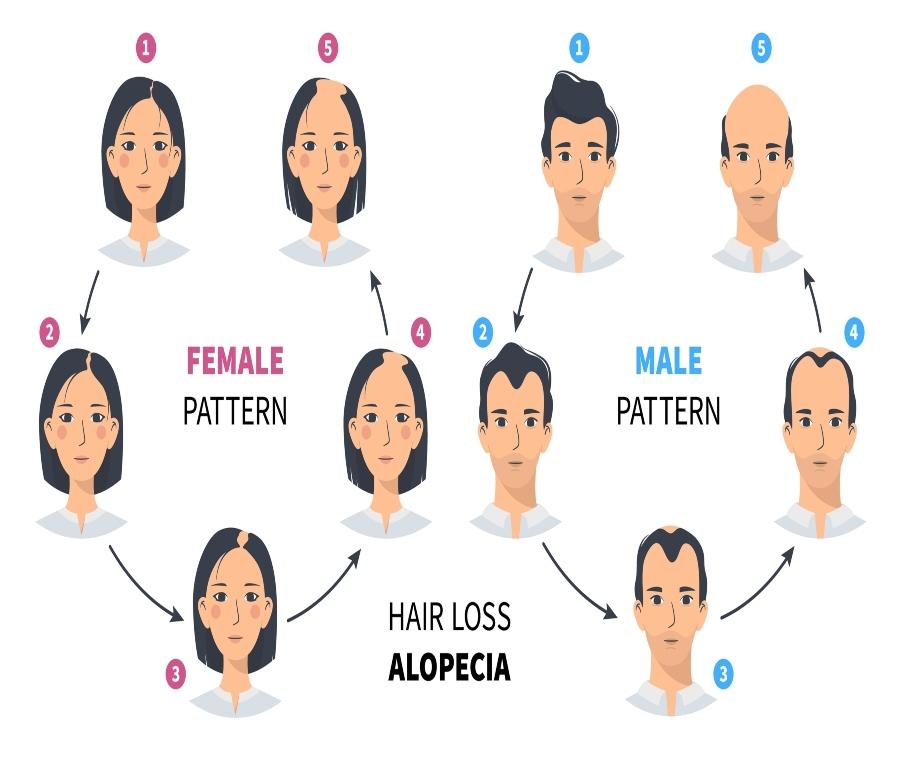
Androgenetic Alopecia, often called male or female pattern hair loss, is the most common type of alopecia. Men usually notice a receding hairline or thinning at the crown, while women tend to experience gradual thinning over the top of the scalp without complete baldness.
Because it progresses slowly, early treatment often produces better results.
C. Traction Alopecia
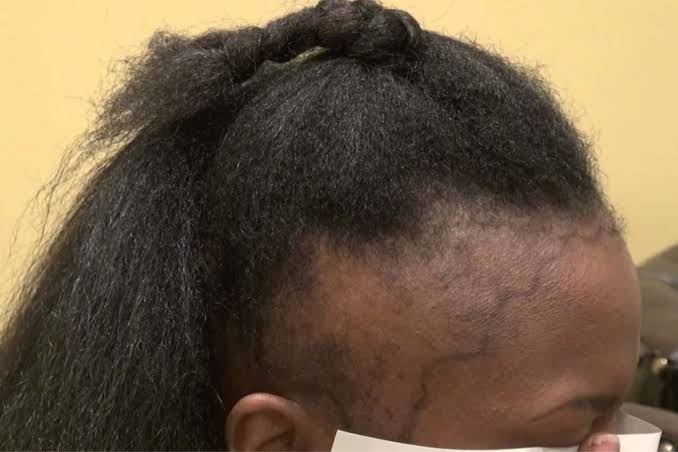
Traction alopecia develops after prolonged tension on the hair follicles.
It’s commonly associated with:
- Tight braids
- Cornrows
- Weaves
- Tight ponytails
- Hair extensions
This form of alopecia is particularly common among women. If identified early, the hair can often recover once the tension is removed. However, years of repeated pulling may permanently damage the follicles.
D. Telogen Effluvium
This type of hair loss usually occurs after the body experiences significant stress.
Common triggers include:
- Childbirth
- Surgery
- Serious illness
- Rapid weight loss
- Emotional stress
- High fever
Instead of losing hair in patches, people notice excessive shedding all over the scalp.
Fortunately, this type of hair loss is often temporary once the underlying cause has been addressed.
E. Scarring Alopecia
Unlike other forms of alopecia, scarring alopecia permanently destroys hair follicles through inflammation.
Early diagnosis is extremely important because treatment focuses on preventing further damage rather than regrowing lost hair.
Alopecia Causes in Females
Hair loss affects women just as much as men, but the underlying causes can be different.
Some of the most common alopecia causes in females include:
- Hormonal Changes: Pregnancy, menopause, and hormonal disorders can all affect the normal hair growth cycle.
- Polycystic Ovary Syndrome (PCOS): PCOS often causes hormonal imbalances that contribute to thinning hair, particularly around the scalp’s crown.
- Iron Deficiency: Low iron levels are one of the leading nutritional causes of hair loss in women.
- Thyroid Disorders: Both an underactive and overactive thyroid can interfere with healthy hair growth.
- Nutritional Deficiencies: Insufficient protein, vitamin D, zinc, and vitamin B12 may contribute to excessive hair shedding.
- Stress: Physical illness, emotional trauma, or prolonged stress can push more hairs into the shedding phase.
- Hair Styling Practices: Frequent chemical treatments, excessive heat styling, and tight hairstyles may weaken hair follicles over time.
Because many of these conditions can occur together, a professional assessment is essential before beginning treatment.
What Is PRP Hair Treatment for Alopecia?
Platelet-Rich Plasma (PRP) therapy is an advanced, non-surgical hair loss treatment that uses your own blood to encourage healthier hair growth.
The procedure begins by drawing a small sample of your blood. This sample is then placed in a centrifuge, which separates the platelet-rich plasma from the other blood components. Platelets contain natural growth factors that help repair tissues and stimulate healing. Once prepared, the concentrated PRP is carefully injected into areas of the scalp where hair is thinning. These growth factors help nourish weakened follicles, improve blood supply to the scalp, and encourage healthier hair growth over time.
Since PRP uses your own blood, the risk of allergic reactions is very low, making it one of the safer hair loss treatments available today for people seeking non-surgical alopecia treatment.”
How PRP Helps Treat Alopecia
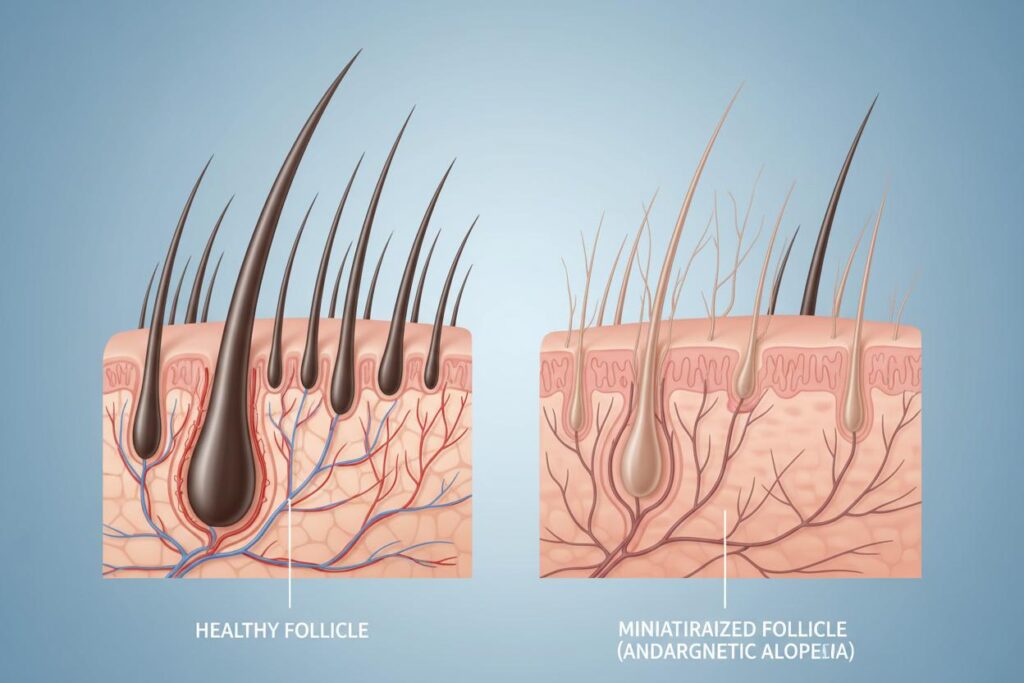
Recent research into hair follicles shows that they don’t stop working overnight. In many forms of alopecia, they gradually become weaker before eventually producing thinner, shorter hairs.
PRP aims to interrupt this process. The growth factors released by platelets may:
- Stimulate dormant hair follicles
- Improve blood circulation around the follicle
- Extend the active growth phase of hair
- Reduce excessive shedding
- Encourage thicker, healthier hair strands
Rather than creating new hair follicles, PRP works by supporting existing follicles that are still alive but no longer functioning optimally.
This is one reason why seeking treatment early often leads to better outcomes.
Which Alopecia Types Respond Best to PRP?
PRP is not a one-size-fits-all solution. It tends to produce the best results for:
- Early male pattern hair loss
- Female pattern hair loss
- Mild to moderate thinning
- Early traction alopecia before permanent damage occurs
- Certain cases of alopecia areata as part of a broader treatment plan
| Type | Hair Loss Pattern | Can PRP Help? |
|---|---|---|
| Alopecia Areata | Round bald patches | Sometimes |
| Androgenetic Alopecia | Gradual thinning | Yes |
| Traction Alopecia | Hairline thinning | Yes (early) |
| Telogen Effluvium | Diffuse shedding | Sometimes |
| Scarring Alopecia | Permanent loss | Usually No |
People with advanced scarring alopecia or completely inactive hair follicles may require alternative treatments because damaged follicles cannot always be restored.
Who May Not Be Suitable for PRP Hair Treatment?
PRP may not be recommended if you:
- Have advanced scarring alopecia
- Have active scalp infections
- Have certain blood disorders
- Are taking specific blood-thinning medications (your doctor will advise)
- Have no viable hair follicles remaining
A consultation helps determine whether PRP is an appropriate option for your condition.
What Happens During a PRP Hair Treatment Session?
Many patients are surprised by how straightforward the procedure is. A typical appointment includes:
- A consultation and scalp assessment.
- A small blood sample is collected.
- The blood is processed to isolate platelet-rich plasma.
- The treatment area is cleaned thoroughly.
- PRP is injected into areas affected by hair thinning.
- Patients can usually return to their normal daily activities shortly afterward.
The entire visit generally takes less than an hour.
How Many PRP Sessions Will You Need?
Every patient responds differently, as hair growth takes time. At the same time, at Silverrose Skin Clinic, many treatment plans involve three to four initial sessions spaced about four weeks apart, with a maintenance session every four to six months, depending on your progress
Because hair grows slowly, consistency is important. Skipping appointments may reduce the overall effectiveness of treatment.
At Silverrose Skin Clinic, Kitengela, PRP sessions cost between KES 12,500 and 15,000, depending on the surface area.
How Long Does PRP Take to Work for Hair Loss?
PRP isn’t an overnight solution.
Many patients notice:
- Less hair shedding after several weeks
- Early signs of new growth within two to three months
- Thicker-looking hair after four to six months
- Continued improvement over the following months with maintenance treatments
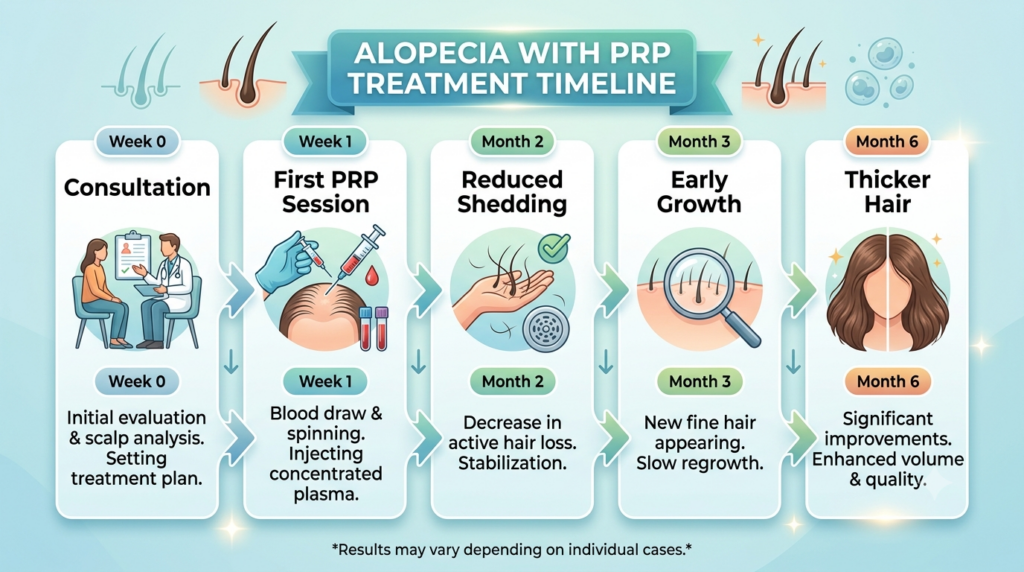
Results vary depending on the type of alopecia, the health of the hair follicles, and how early treatment begins.
Can PRP Be Combined With Other Hair Loss Treatments?
Absolutely, PRP often works best when combined with a personalized treatment plan.
Depending on the diagnosis, your dermatologist may recommend combining PRP with:
- Prescription medications
- Topical hair growth treatments
- Nutritional supplementation
- Treatment of underlying hormonal or thyroid conditions
- Lifestyle modifications to improve scalp and hair health
The goal is to address both the symptoms and the underlying cause of hair loss. You can check our previous article to see the different treatment options available at Silverrose Skinc Clinic.
Why You Should Treat Alopecia Early
Hair follicles can become weaker over time. The longer hair loss progresses without treatment, the greater the chance that some follicles may stop producing hair altogether. Seeking professional care early gives your dermatologist more treatment options and improves the likelihood of preserving your existing hair.
If you’ve noticed increasing hair thinning, bald patches, or excessive shedding, don’t wait until the problem becomes more advanced.
Frequently Asked Questions
Is PRP painful?
Most patients experience only mild discomfort. A numbing cream may be used to improve comfort during treatment.
Does PRP work for alopecia areata?
PRP may benefit some patients with alopecia areata, particularly when used alongside other medical treatments recommended by a dermatologist.
Can women benefit from PRP?
Yes. PRP is commonly used to treat female pattern hair loss and other forms of hair thinning in women.
Is PRP permanent?
PRP helps stimulate existing hair follicles, but maintenance treatments may be needed to sustain results, especially for progressive forms of hair loss.
Can alopecia be cured?
The possibility of curing alopecia depends on the type and cause of hair loss. Some forms of alopecia, such as hair loss caused by stress, nutritional deficiencies, infections, or certain medical conditions, can improve completely once the underlying cause is treated. However, genetic hair loss (androgenetic alopecia) and some autoimmune forms of alopecia may not have a permanent cure but can often be managed effectively with treatments such as minoxidil, PRP therapy, medications, and other regenerative treatments.
Which vitamin deficiency causes hair loss?
Several nutritional deficiencies can contribute to hair loss. The most common include:
Iron deficiency (low ferritin levels) – one of the most common causes of excessive hair shedding.
Vitamin D deficiency – linked to some forms of alopecia, including autoimmune hair loss.
Vitamin B12 deficiency – may affect healthy hair growth.
Zinc deficiency – can weaken hair follicles and contribute to shedding.
Biotin deficiency – rare but may cause hair thinning when severe.
A blood test can help identify whether a nutritional deficiency is contributing to your hair loss.
Is PRP better than minoxidil?
PRP (Platelet-Rich Plasma) therapy and minoxidil work differently, and the best option depends on the type and severity of hair loss.
Minoxidil is a topical or oral medication that stimulates hair follicles and prolongs the growth phase of hair. PRP therapy uses concentrated platelets from your own blood to release growth factors that may stimulate dormant hair follicles and improve hair density.
For some patients, PRP may provide better results when combined with minoxidil rather than used as a replacement. A hair specialist can recommend the most suitable treatment based on your diagnosis.
Take the First Step Towards Healthier Hair
Hair loss can affect your confidence, but you don’t have to manage it alone. The key to successful alopecia treatment is identifying the underlying cause and choosing a treatment plan that’s tailored to your individual needs.
Whether you’re experiencing alopecia areata, female pattern hair loss, traction alopecia, or another form of hair thinning, early diagnosis can make a significant difference.
If you’re looking for a trusted hair loss treatment in Kenya, schedule a consultation with our dermatology team. At Silverrose Skin Clinic Kitengela, we’ll assess your scalp, determine the cause of your hair loss, and recommend the most suitable treatment, including PRP therapy if it’s the right option for you.
The sooner you begin treatment, the sooner you can take the first steps toward healthier, fuller-looking hair.