
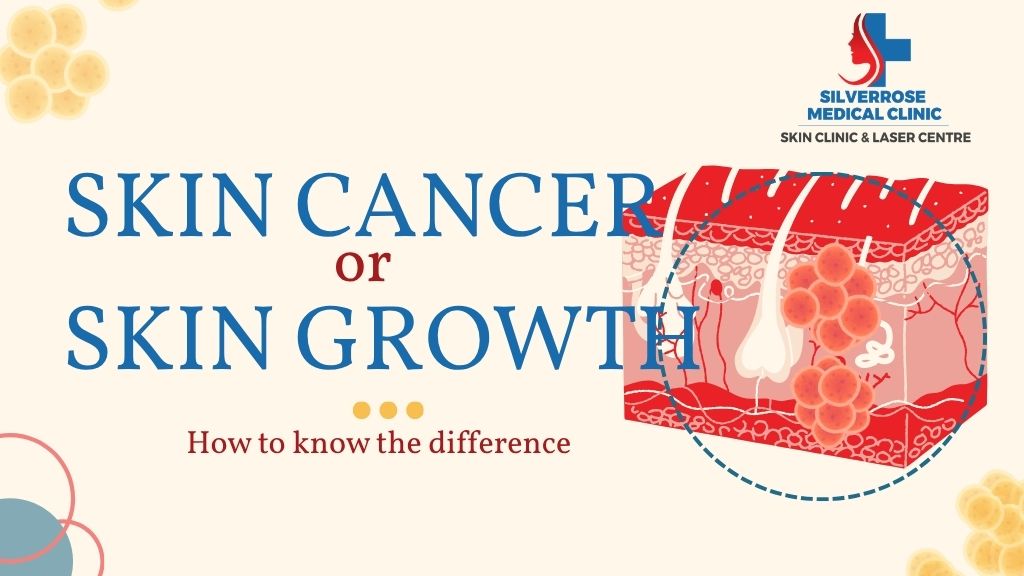
Not every new bump is skin cancer, but some are. Silverrose Skin Clinic breaks down the warning signs, the ABCDE rule, and when to get a growth checked.
First of all, most skin growths are not cancerous.
Skin growths can range from skin tags and common moles to other small bumps, and they are an extremely normal part of life; most do not have any impact on health. That said, a new or changing growth shouldn’t automatically be waved off as “just a skin tag” or “just a mole.”
According to the International Agency for Research on Cancer, Skin Cancers are the most common group of cancers diagnosed worldwide, with more than 1.5 million new cases estimated yearly, and knowing the difference between a harmless growth and a warning sign matters because, when caught early, skin cancer is highly treatable and, in many cases, fully curable.
What Is Skin Growth?
A skin growth is simply any lump, bump, or spot that develops on the surface of your skin. They can appear at any age, and most people develop dozens of them over a lifetime without ever needing treatment.
Common Skin Growths That Are Usually Harmless
Most spots people worry about turn out to be one of a few everyday, non-cancerous growths.
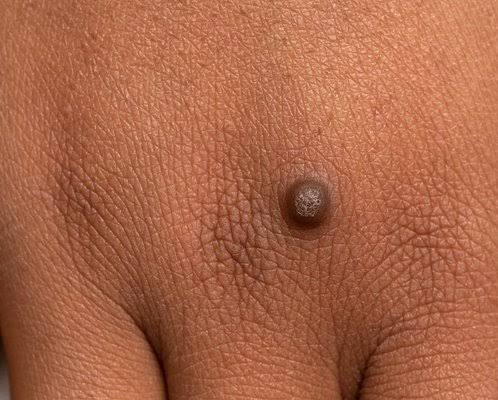
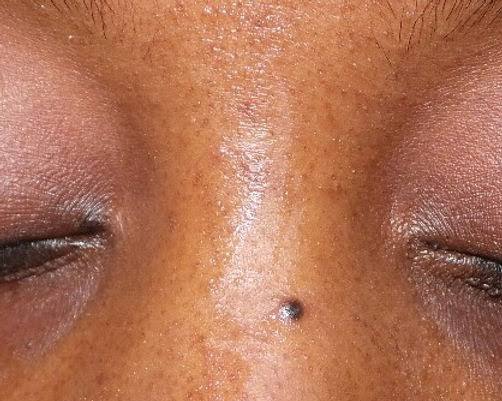
| Feature | Skin Tag | Mole | Wart | Seborrheic Keratosis |
|---|---|---|---|---|
| Main Texture | Soft, smooth, and fleshy | Smooth, raised, or flat | Hard, rough, and grainy | Waxy, scaly, or crumbly |
| Attachment | Hangs off a narrow stalk | Sits completely flat or flush | Broad base, sits on skin | Flat base, looks “pasted on” |
| Common Colors | Flesh-colored, pink, light brown | Tan, dark brown, black, pink | Flesh-colored, gray, white | Tan, brown, black |
| Primary Cause | Friction from skin or clothes | Sun exposure and genetics | Viral infection (HPV) | Natural aging and genetics |
| Typical Locations | Neck, armpits, eyelids, groin | Anywhere on body | Hands, fingers, feet | Chest, back, face, shoulders |
| Contagious? | No | No | Yes, can spread | No |
| Cancer Risk | None (always benign) | Low, but can become melanoma | None (always benign) | None (always benign) |
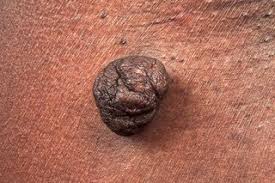
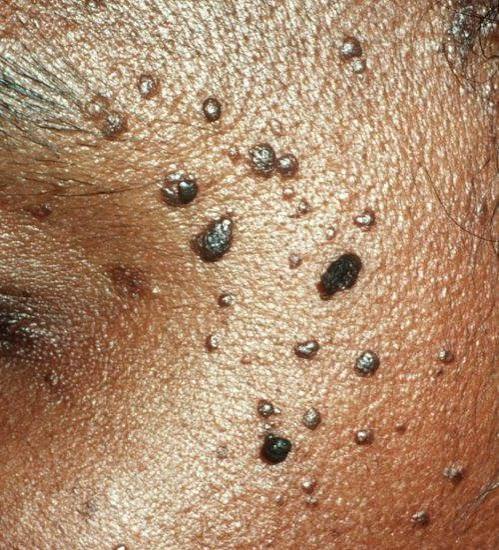
We can easily remove these skin growths, as we explain on the Skin Tag & Mole Removal page, using different techniques, including laser techniques.
Skin Growth vs. Skin Cancer
A benign skin growth is an abnormal but non-cancerous cluster of skin cells. It stays put, doesn’t invade surrounding tissue, and typically remains stable for years. Moles, skin tags, and seborrheic keratoses all fall into this category.
Skin cancer is the uncontrolled growth of abnormal skin cells that can invade nearby tissue and, in some cases, spread elsewhere in the body. It includes
- 👉🏼 basal cell carcinoma
- 👉🏼 squamous cell carcinoma
- 👉🏼 melanoma
Unlike benign growths, skin cancers tend to change over time and often carry one or more warning signs.
| Feature | Benign Skin Growth | Possible Skin Cancer |
|---|---|---|
| Border | Smooth, even edges | Irregular, notched, or blurred |
| Color | One uniform shade | Multiple shades, or darkening/lightening over time |
| Growth pattern | Stable for years | Noticeable change over weeks to months |
| Symptoms | Usually painless, no bleeding | Bleeding, itching, crusting, or a sore that won’t heal |
| Shape | Symmetrical | One half doesn’t match the other. |
The ABCDE Rule to Detect Skin Cancer: A Simple Self-Check
For anything that doesn’t fit neatly into the list above, dermatologists worldwide teach a simple five-point checklist for keeping an eye on moles and spots at home:
- 👉🏼 A – Asymmetry: One half of the growth doesn’t match the other.
- 👉🏼 B – Border: Edges are ragged, blurred, or poorly defined.
- 👉🏼 C – Color: Uneven color, or shades of brown, black, red, or blue within the same spot.
- 👉🏼 D – Diameter: Larger than about 6 mm (roughly the size of a pencil eraser), though some cancers are smaller when first caught.
- 👉🏼 E – Evolving: Any change at all, in size, shape, color, elevation, or a new symptom like itching or bleeding, is the single most important sign.
If a growth ticks even one of these boxes, it’s worth having it looked at. It doesn’t automatically mean cancer, but it does mean it shouldn’t wait.
Don’t Remove a Suspicious Growth Yourself
If a growth looks unusual, it can be tempting to just deal with it yourself, especially if it’s small and seems minor.
Please don’t.
We’d strongly advise against:
- 👉🏼 Cutting or shaving it off at home
- 👉🏼 “Burning” it off with heat or home remedies
- 👉🏼 Applying unverified creams, oils, or chemical products marketed to dissolve growths
- 👉🏼 Assuming it’s a harmless skin tag or mole without a professional assessment first
Home removal doesn’t just risk infection and scarring; if the growth turns out to be cancerous, removing it incorrectly can make proper diagnosis and treatment significantly harder afterward. Assessment should always come before removal, never the other way around.
Why Professional Diagnosis Matters
Even experienced eyes can be fooled. Some early melanomas are small, symmetrical, and only slightly discolored, making it easy to dismiss them as simply moles.
This is why a clinical evaluation matters so much.
At Silverrose, a skin check starts with a detailed visual and dermatoscopic examination, a review of your personal and family history, and, where needed, a closer diagnostic look before any conclusion is reached.
It’s led by our lead dermatologist, Dr. Kagendo, who brings years of hands-on clinical, cosmetic, and surgical dermatology experience to every consultation, along with local and international training to know exactly what she’s looking for and what she isn’t seeing.
If you’d like the full picture of what that evaluation involves, you can contact our Clinical Consultation service, and we will walk you through it in more detail. And if your concern turns out to be something more scar-related than mole-related, our earlier guide on keloid treatment in Nairobi is the better read.
Frequently Asked Questions
Can a dermatologist tell if a growth is cancerous just by looking at it?
Experienced dermatologists can often narrow it down significantly using a dermatoscope and clinical judgment, but a definitive diagnosis sometimes requires further evaluation. That’s why a full clinical assessment, not a guess, is always the safer route.
Is every new mole something to worry about?
No. Most adults develop new moles throughout their life, especially with sun exposure, and the vast majority are harmless. What matters is whether a mole is changing, not simply that it’s new.
How often should I get my skin checked?
Once a year is a reasonable baseline for most people, more often if you have many moles, fair skin, or a family history of skin cancer.