
Nothing can destroy your day like discovering a small growth on your skin early in the morning. Or that hanging skin tag that your aunt is threatening to tie off with a thread.
But the question remains: what is it? Is this a mole, a wart, or a skin tag?
That depends: is it on a stalk, is the surface smooth or rough, and where on your body did it show up? If you can answer these three questions, you will have a strong idea of what you’re dealing with, plus a clearer sense of whether it’s worth a trip to the clinic.
Let’s walk through it properly.
The 3-Question Self-Check for Warts, Skin Tags, and Moles
These three are all extremely common skin growths; though they are all structurally different, you can easily differentiate them by comparing their physical traits. These three questions will help you determine the exact skin growth.
Question 1: Is it sitting on a little stalk, or is it flush with your skin? A growth that hangs off a thin “neck” of skin, wobbling slightly when you touch it, is almost always a skin tag. Moles and warts sit flatter against the skin, even when raised.
Question 2: Is the surface smooth and dome-shaped, or rough and bumpy? If the skin growth appears smooth, is evenly colored and dome- or flat-topped, it is most likely a mole. Rough, cauliflower-like, or gritty surfaces, which can have tiny dark specks, point to warts.
Question 3: Where on your body did it turn up? Skin tags love friction zones like the neck, underarms, eyelids, groin, and under the bust. Warts, on the other hand, favor hands, fingers, feet, and knees. Moles can appear almost anywhere, including places that get regular sun.
The answer to these questions will help you narrow down the exact skin growth you are handling.
Moles, Skin tags and Warts
Moles are clusters of pigment-producing cells (melanocytes) that clump together under the skin. Most people have somewhere between 10 and 40 of them by adulthood. As such, moles are considered harmless. It is worth noting that immediate assistance from professional dermatologists should be sought if it starts changing size, shape, or color.
Skin tags form where skin repeatedly rubs against skin or clothing. They’re soft and painless. According to dermatologists, skin tags are more of a nuisance than a health concern. But due to their location most of the time, many individuals seek out to remove skin tags at our skin clinic in Kitengela. We’ve written a full breakdown of the removal options for skin tags at Silverrose Skin Clinic, under the expert eyes of the best dermatologists in Kitengela.
Warts, unlike the others, are viral. The human papillomavirus (HPV) infects the top layer of skin and causes it to grow rapidly. They appear raised with a rough texture. Because they’re viral, they’re mildly contagious through direct contact or shared surfaces.
Side-by-Side Comparison
| Mole | Skin Tag | Wart | |
|---|---|---|---|
| Cause | Cluster of pigment cells | Friction between skin folds | HPV infection |
| Texture | Smooth, dome, or flat | Soft, often on a stalk | Rough, cauliflower-like |
| Contagious? | No | No | Yes (mild) |
| Common sites | Anywhere on the body | Neck, armpits, groin, eyelids | Hands, feet, knees |
| Typical onset | Childhood through adulthood | Middle age, pregnancy, weight gain | Any age, more common in children |
| Pain or itch | Rarely, unless irritated | Rarely | Sometimes, especially plantar warts |
Why Warts Removal Cream, and other over-the-counter methods do not work.
In most pharmacies in Kitengela, and throughout Kenya, there are many skin tag removal creams and wart removal creams. Further, when you ask people, even your grandmother and aunt, they become medical professionals with “well-meaning” easy solutions to handle your skin tag.
I also continually advise my clients never to pluck hair from a mole. At face value, plucking hair from a mole may seem harmless, but the skin structure beneath it is more delicate than you think. Hair follicles, blood vessels, and surrounding cells can be affected by repeated irritation, which is why leaving mole hairs untouched may help protect your skin.
Silverrose Skin Clinic Professional Diagnosis
According to my experience, patients are often surprised at how much we can tell just from a closer look with a dermatoscope. As a lead dermatologist at Silverrose Skin Clinic, we always start with a diagnosis through a dermatoscope, which gives us a perspective of the skin growth. At the same time, we also ask for medical history to determine when the growth started and if there have been any changes.
In case there is anything uncertain or irregular, we recommend a biopsy before any removal takes place. This short appointment is the difference between removing something because you’re fairly sure what it is and removing it because you actually know.
Treatment Options
Skin tag treatment is usually done in a matter of minutes with laser treatment. It is a one-time procedure; its results are permanent. The cost starts at 5,000. Full details are on our skin tag removal page.
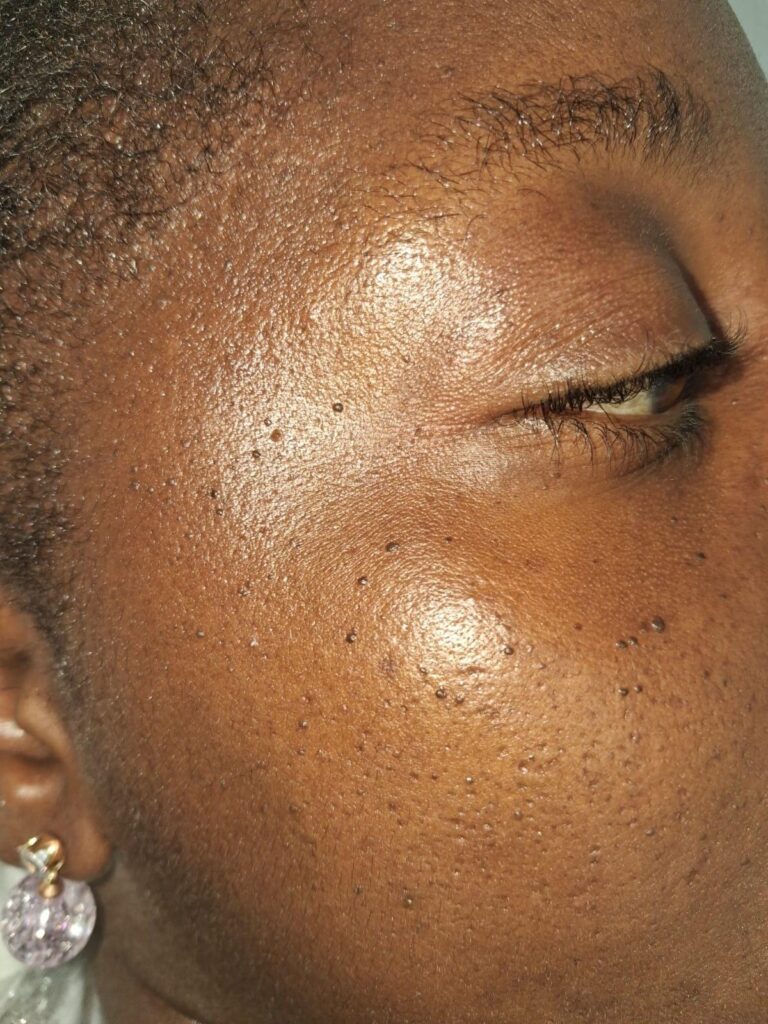
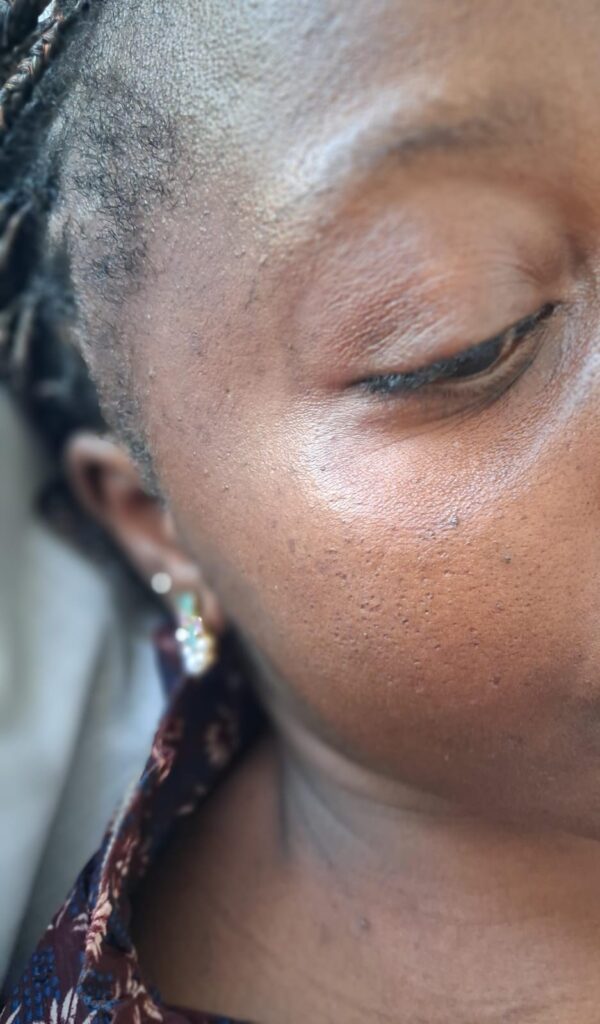
Moles can be shaved, excised, or lasered depending on size and depth. If a mole shows suspicious patterns, we recommend removal paired with lab evaluation rather than treating it as a purely cosmetic procedure.
Warts take a bit more patience since they’re viral. At Silverrose, we remove skin warts using laser techniques because it is safer, cheaper, and painless, and it heals without scarring.
Frequently Asked Questions
Can a skin tag turn into something more serious?
No. Skin tags don’t turn into moles, warts, or anything cancerous. They’re a separate, benign growth from start to finish. The only reasons to have one removed are comfort or appearance
Do moles need to be removed?
Only if you want them gone for cosmetic reasons, they’re being irritated by clothing or shaving, or a dermatologist has flagged something about their appearance worth investigating further. A stable, unchanging mole doesn’t need to go anywhere.
Is a wart contagious to people around me?
Mildly, yes, through direct skin contact or shared surfaces like pool decks and shower floors, which is part of why HPV-related warts spread more easily within a household than moles or skin tags ever would. Covering the area and avoiding sharing towels or razors reduces the risk while it’s being treated.
Is laser removal of skin tags painful?
No, we use a numbing agent prior to the procedure that prevents pain.
How many sessions does it take to remove a keloid?
It depends on the location and the size. We always recommend a physical consultation for only 1,000 to ensure a correct diagnosis prior to the development of a personalized treatment plan.
Ready to Know for Sure?
These three questions will help identify the skin growth.
But what you do next requires a professional dermatologist to help confirm the diagnosis and determine the treatment plan or removal if needed.
Book a consultation with the team at Silverrose Skin Clinic in Kitengela, and let’s get you a real answer instead of a guess.