
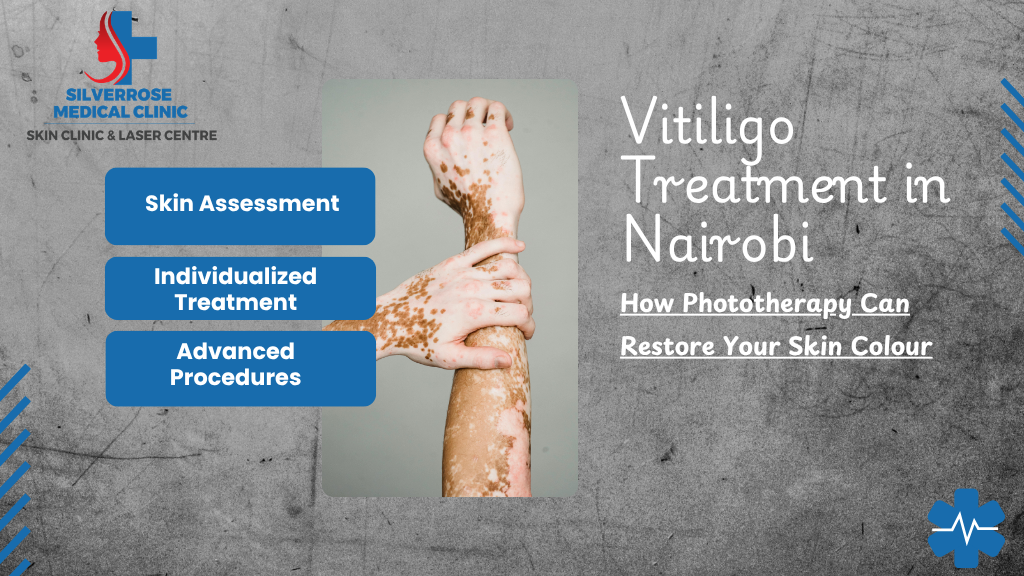
Our skin does more than cover our bodies, it is a vital part of how we see ourselves and how others recognise us. When changes in skin colour occur, they can affect not only appearance but also confidence and emotional well-being. One of the most common pigmentation disorders affecting people worldwide is vitiligo. This condition causes white patches to develop on the skin due to the loss of melanocytes, the cells responsible for skin colour.
While vitiligo is not physically painful or contagious, it can have a significant psychological impact, particularly among individuals with darker skin tones, where pigment loss is far more visible. For anyone searching for effective vitiligo treatment in Nairobi, the good news is that advances in dermatological care have made it possible to manage the condition and stimulate meaningful repigmentation in many patients.
At Silverrose Skin Clinic in Kitengela, we are committed to offering the latest evidence-based treatments for skin conditions. We are proud to introduce our newly imported advanced phototherapy machine — giving our patients across Nairobi and the wider Kajiado County region access to one of the most effective, clinically proven modern treatments for vitiligo and certain forms of hypopigmentation, right here on your doorstep.
What Is Vitiligo?
Vitiligo is a chronic skin condition that occurs when melanocytes, the cells responsible for producing melanin, the pigment that gives skin its colour, are damaged or destroyed. As a result, patches of skin lose their pigment and appear white or lighter than the surrounding skin. These white patches on skin can vary in size, shape, and location and may grow or spread over time.
Vitiligo can affect anyone regardless of age, gender, or ethnicity. However, it tends to be more noticeable in individuals with darker skin tones due to the contrast between affected and unaffected areas, making early diagnosis and vitiligo treatment in Nairobi increasingly important for patients across the region.
The condition may develop gradually or suddenly and can affect any part of the body, including the face, hands, arms, feet, lips, and even the scalp.
Types of Vitiligo: Segmental and Non-Segmental
Vitiligo is broadly classified into two main types, and understanding the difference matters when choosing the appropriate treatment plan.
Non-segmental vitiligo is the most common form, accounting for the majority of cases. It tends to appear symmetrically on both sides of the body. For example, on both hands, both knees, or both sides of the face. It is chronic and may continue to spread over time.
Segmental vitiligo is less common and typically affects only one side or one area of the body. It tends to progress more rapidly at first but often stabilizes after a period of activity. It can be particularly challenging to treat, though phototherapy and other interventions may still offer improvement.
Identifying the type of vitiligo present is an important part of the diagnostic process at Silverrose Skin Clinic, as it helps guide the most appropriate and personalised treatment plan.
Is Vitiligo the Same as Hypopigmentation?
Not exactly.
Hypopigmentation is a broad term used to describe areas of skin that are lighter than the surrounding skin due to reduced melanin production. Vitiligo is one of the causes of hypopigmentation, but not all hypopigmentation is vitiligo.
Other causes of hypopigmentation may include:
- Previous skin inflammation
- Certain fungal infections
- Burns and injuries
- Chemical exposure
- Genetic conditions
- Side effects of some skin treatments
Hypopigmentation treatment can only be done after an appropriate assessment, as it determines the exact cause of pigment loss and recommends the most appropriate treatment. At Silverrose Skin Clinic in Kitengela, our team carries out thorough skin evaluations to ensure every patient receives an accurate diagnosis before any treatment plan is recommended.
What Causes Vitiligo? Understanding White Patches on Skin
Despite years of research, the exact cause of vitiligo is not fully understood.
Current evidence suggests that vitiligo develops due to a complex interplay of genetics, oxidative stress, inflammation, and environmental triggers, a finding consistently supported across dermatological literature worldwide, including research specific to patients in Kenya.
A case series published in the Journal of the American Academy of Dermatology by Marquez-Grap et al., focusing on vitiligo management in patients with skin of colour in Kenya, highlights how these same triggers present and are managed in an East African clinical context.
A. Autoimmune Response
The most widely accepted theory is that vitiligo is an autoimmune condition. In the autoimmune model, the immune system mistakenly identifies healthy melanocytes as foreign invaders, causing it to develop antibodies that destroy them.
B. Genetic Factors
Research suggests that genetics may play a role in the development of vitiligo. Individuals with a family history of the condition may have a higher risk of developing it themselves.
C. Environmental Triggers
Certain factors may trigger or worsen vitiligo in susceptible individuals, including:
- Severe emotional stress
- Sunburn
- Skin injuries
- Exposure to certain chemicals
- Physical trauma to the skin
D. Associated Medical Conditions
Vitiligo has also been linked to other autoimmune disorders such as thyroid disease, rheumatoid arthritis, and type 1 diabetes.
Common Signs and Symptoms of Vitiligo
The primary symptom of vitiligo is the appearance of white patches on the skin. These patches may remain localized or gradually spread over time.
Common areas affected include:
- Face
- Around the eyes and mouth
- Hands and fingers
- Elbows and knees
- Feet
- Armpits
- Genital area
Some individuals may also experience:
- Premature greying of hair
- Whitening of eyelashes or eyebrows
- Loss of colour inside the mouth
- Changes in beard colour
The progression of vitiligo varies from person to person. Some people experience slow changes over many years, while others may notice rapid pigment loss.
How Is Vitiligo Diagnosed?
An accurate diagnosis is the first step toward successful vitiligo treatment.
At Silverrose Skin Clinic, diagnosis typically involves a comprehensive skin examination and medical history review. In some cases, a Wood’s lamp examination may be used to assess pigment loss more clearly.
Our dermatologist may also recommend additional tests if there is suspicion of an underlying autoimmune condition. Early diagnosis is important because treatment is often more effective when started before extensive pigment loss occurs.
Vitiligo Treatment in Nairobi
One of the most common questions patients ask is, “Can vitiligo be cured?”
Currently, vitiligo treatment is not universal. However, several effective treatments can help:
- Slow or stop progression
- Stimulate repigmentation
- Improve cosmetic appearance
- Restore confidence and quality of life
Treatment plans are individualized based on factors such as age, skin type, extent of involvement, and duration of the condition.
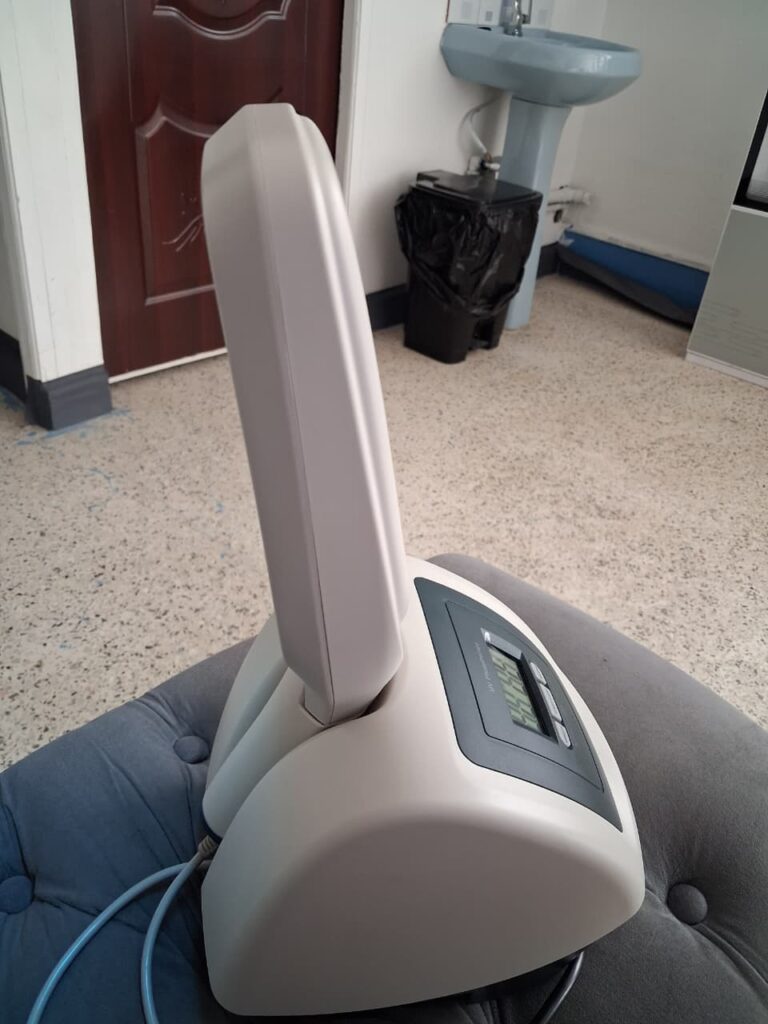
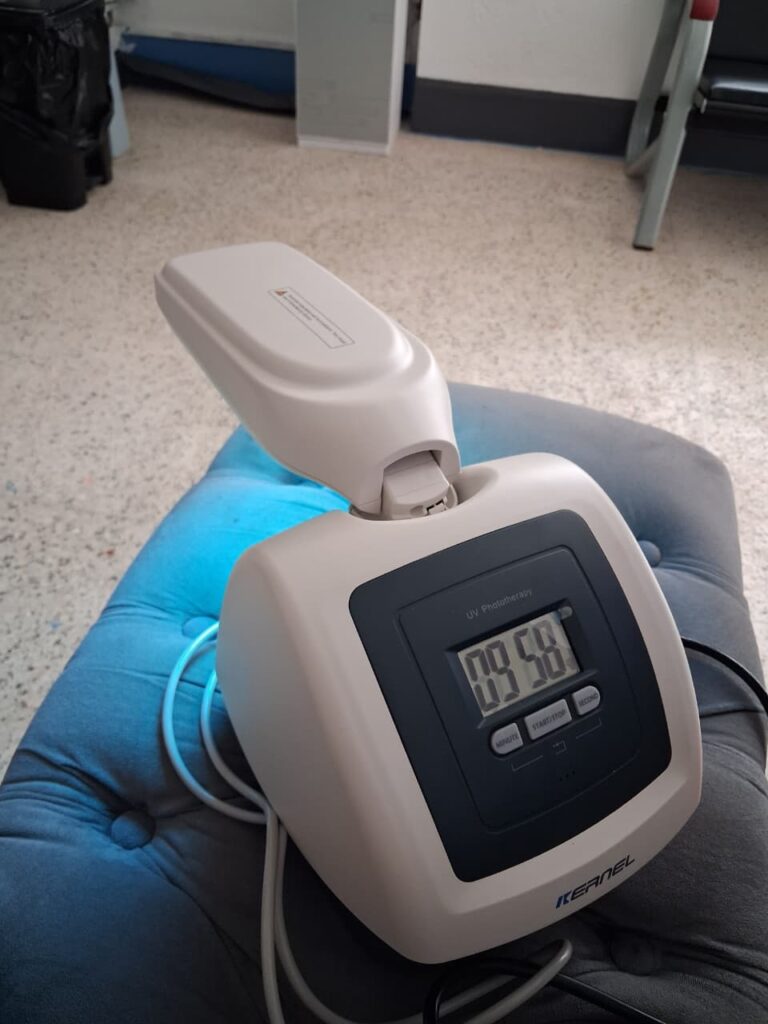
Among the available Vitiligo treatment options, phototherapy remains one of the most effective and widely recommended approaches. Patients in Nairobi and Kitengela can now access this gold-standard treatment at Silverrose Skin Clinic, where our newly imported advanced phototherapy machine is available for both vitiligo and hypopigmentation management.
Phototherapy for Vitiligo: A Modern and Effective Solution
Phototherapy has transformed the management of vitiligo and is considered one of the gold-standard treatments for many patients.
What Is Phototherapy?
Phototherapy is a medical treatment that uses carefully controlled ultraviolet (UV) light to stimulate pigment-producing cells in the skin.
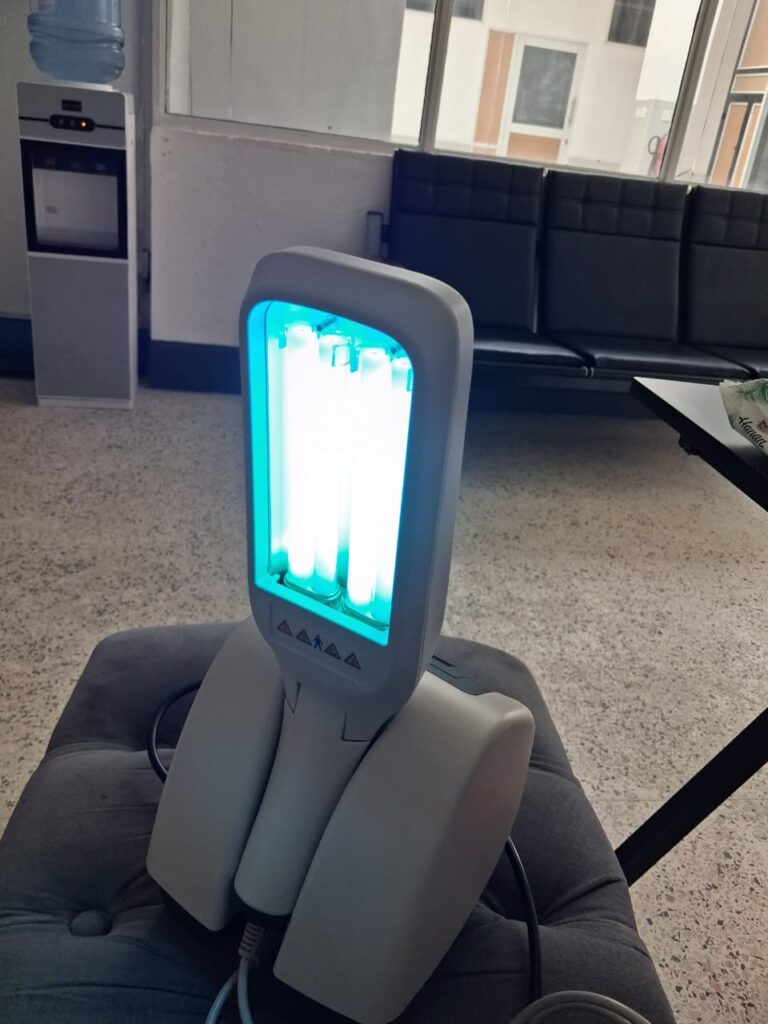
Unlike ordinary sunlight exposure, phototherapy delivers precise wavelengths of light under medical supervision, making treatment safer and more effective.
The treatment is designed to encourage the return of pigmentation while minimizing unnecessary exposure to ultraviolet radiation.
How Does Phototherapy Work?
Phototherapy works through several mechanisms:
- Stimulating surviving melanocytes to produce melanin
- Encouraging melanocyte migration into affected areas
- Modulating immune activity that contributes to pigment loss
- Promoting gradual repigmentation of white patches
Over time, patients may begin to notice small spots of colour returning within affected areas, which gradually expand and blend with the surrounding skin.
Benefits of Phototherapy for Vitiligo
- Encourages Natural Repigmentation
Phototherapy is considered the most effective vitiligo treatment in Nairobi because of its ability to stimulate the body’s natural pigment production process.
- Non-Invasive Treatment
Phototherapy does not involve surgery or invasive procedures, making it suitable for a wide range of patients.
- Effective for Large Areas
Unlike some localized treatments, phototherapy can be used to treat larger areas of skin efficiently.
- Helps Stabilize Disease Progression
In addition to restoring colour, phototherapy may help reduce the progression of vitiligo in some patients.
- Suitable for Various Age Groups
Under specialist supervision, phototherapy can be used in both adults and children depending on individual circumstances.
What to Expect During Phototherapy Treatment
Many patients are understandably curious about what happens during a phototherapy session.
The process generally begins with a thorough consultation and skin assessment. Your dermatologist will determine whether phototherapy is suitable for your condition and develop a personalized treatment plan.
During treatment:
- You will stand or sit within the phototherapy unit.
- Controlled doses of UV light are delivered to affected areas.
- Sessions are typically brief.
- Treatment schedules vary depending on individual needs.
Consistency is essential for achieving the best possible results.
How Long Does Phototherapy Take to Work?
Phototherapy is not an overnight solution. Repigmentation is a gradual process that requires patience and commitment.
Many patients begin noticing improvement after several weeks of regular treatment, although more significant changes may take several months.
Factors influencing treatment success include:
- Duration of vitiligo
- Location of affected areas
- Skin type
- Consistency of treatment
- Individual response to therapy
Areas such as the face often respond more quickly than the hands and feet.
Why Early Treatment Matters
Seeking professional care early can make a significant difference in treatment outcomes.
Vitiligo treatment is quite relevant in the Kenyan and broader East African context. Research published in the Journal of the American Academy of Dermatology: Management of Vitiligo in Skin of Color: Phototherapy Case Series in Kenya and Review of Literature by Marquez-Grap et al. highlights the particular clinical and psychosocial challenges that vitiligo presents in patients with darker skin phototypes. They further demonstrate that phototherapy can produce meaningful repigmentation outcomes in this population. This underlines the importance of access to evidence-based vitiligo treatment for patients across Kenya, including those seeking care in Kitengela and Nairobi.
Early intervention may:
- Prevent further pigment loss
- Improve chances of successful repigmentation
- Reduce the psychological impact of the condition
- Help patients maintain confidence and self-esteem
The longer pigment loss remains untreated, the more challenging repigmentation may become in some cases.
Living Confidently with Vitiligo
While treatment can improve pigmentation, it is equally important to address the emotional effects of the condition.
Many individuals with vitiligo lead healthy, active, and fulfilling lives. Support from family, friends, and healthcare professionals can make a significant difference.
Patients are also encouraged to:
- Use sunscreen daily
- Protect affected skin from excessive sun exposure
- Maintain regular dermatology appointments
- Follow treatment plans consistently
Remember that vitiligo does not define your worth, beauty, or capabilities.
Why Choose Silverrose Skin Clinic for Vitiligo Treatment?
At Silverrose Skin Clinic, we understand that every patient’s journey is unique.
Our approach combines accurate diagnosis, personalized treatment plans, and compassionate care to help patients achieve the best possible outcomes.
We are proud to offer:
- Comprehensive skin assessments
- Experienced skin specialists
- Personalized treatment plans
- Evidence-based dermatological care
- Newly imported advanced phototherapy technology
The addition of our state-of-the-art phototherapy machine allows us to provide patients with modern treatment options that support safer and more effective vitiligo management.
Frequently Asked Questions
Is vitiligo contagious?
No. Vitiligo is not contagious. It cannot be spread through physical contact, sharing personal items, or close interaction with others.
Can children develop vitiligo?
Yes. Vitiligo in children is possible. It can occur at any age, including childhood.
Does phototherapy work for everyone?
Phototherapy treatment varies between individuals. However, studies show that phototherapy remains one of the most effective treatments available for many patients with vitiligo.
Can vitiligo return after treatment?
Vitiligo is a chronic condition, and recurrence may occur in some patients. Ongoing follow-up and maintenance treatment may be recommended.
How often are phototherapy sessions performed?
The treatment schedule varies depending on the patient’s condition and treatment goals. Your dermatologist will recommend a plan tailored to your needs.
Take the First Step Toward Healthier Skin
Vitiligo and other forms of hypopigmentation can affect both appearance and confidence, but effective vitiligo treatment options are available. Advances in phototherapy have made it possible for many patients to regain pigmentation and improve their quality of life.
At Silverrose Skin Clinic, our newly introduced advanced phototherapy technology offers patients access to modern, evidence-based treatment designed to support repigmentation and long-term skin health.
If you have noticed white patches on your skin or have concerns about pigment loss, schedule a consultation with our specialists today. Early evaluation and treatment can make a meaningful difference in your journey toward healthier, more confident skin.