
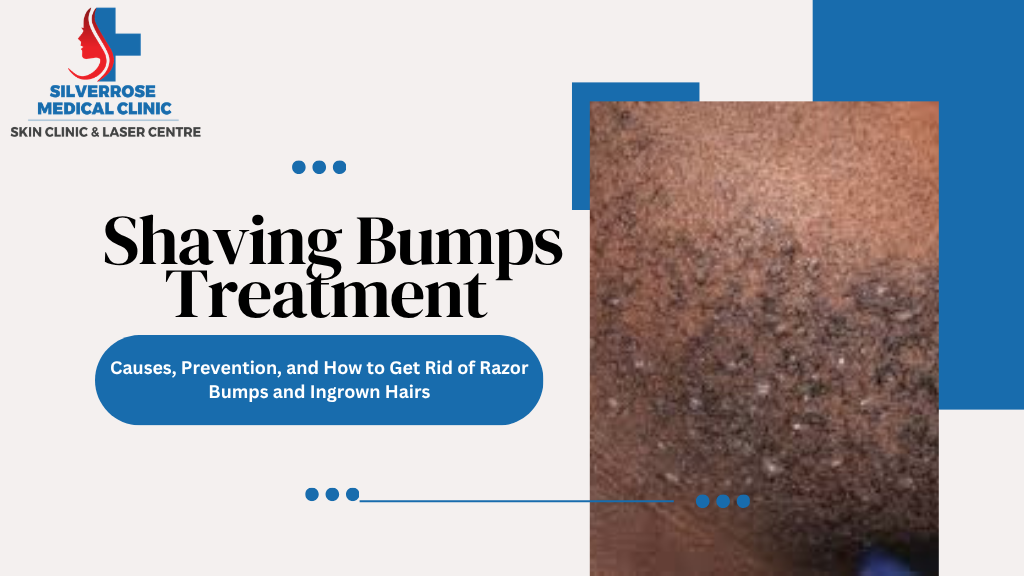
Struggling with razor bumps or ingrown hairs? Get expert shaving bumps treatment in Nairobi at Silverrose Skin Clinic. Book your free consultation today.
Few things ruin a clean, fresh shave faster than shaving bumps. It is the endless cycle: you shave, the razor bumps appear and disappear after a while, and then recur after another shave.
Razor bumps and ingrown hairs are among the most common skincare issues for men in Nairobi. Fortunately, finding an effective shaving bumps treatment does not have to be a game of trial and error. At Silverrose Skin Clinic, Kitengela, we specialize in restoring your skin’s health and confidence with solutions that actually work.
Leaving these irritated spots untreated can lead to long-term issues, such as deep scarring, dark spots, and stubborn hyperpigmentation that can take months to fade. Many men try to handle the irritation by switching blades or applying heavy oils, but without addressing the root cause, the damage continues.
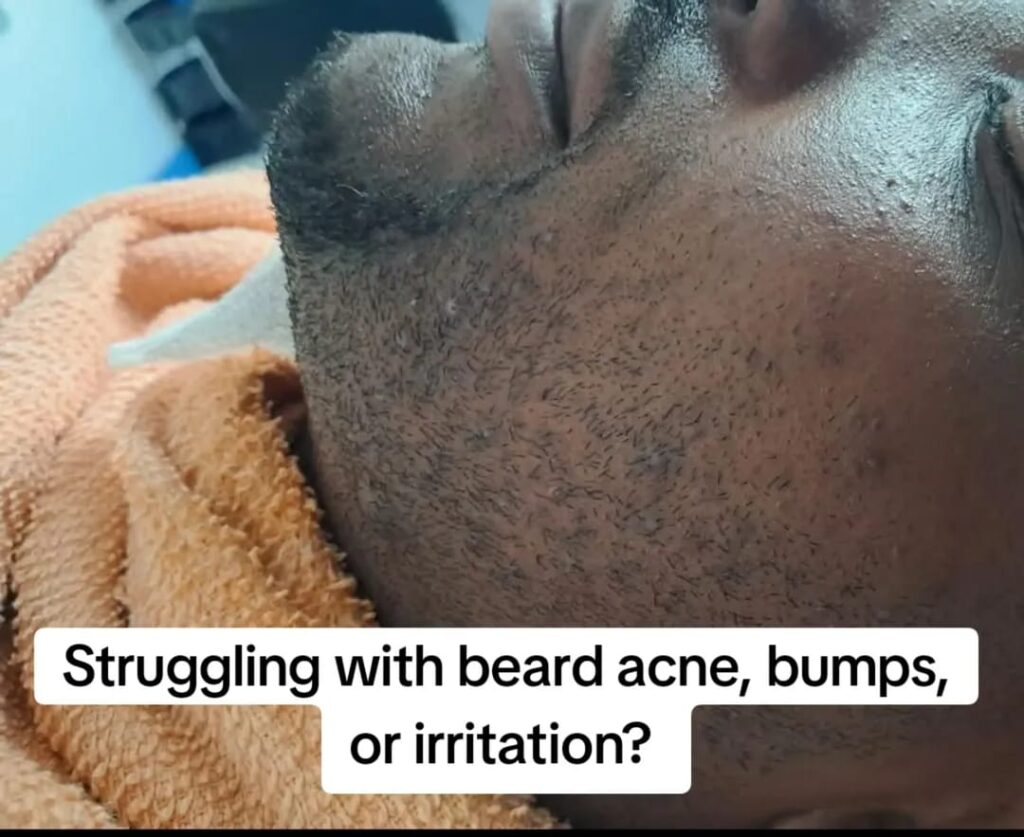
This comprehensive guide breaks down the science behind why your skin reacts this way and how to break the cycle for good. We will explore what causes these painful flare-ups, how to soothe your skin quickly, and the difference between simple home care routines and advanced, professional solutions. Let’s get your skin smooth, clear, and healthy again.
Further, this month as we celebrate Father’s day, Silverrose Skin Clinic is offering FREE consultations for men. If your shaving bumps keep coming back, now is the time to sort it properly. Book your free slot.
What Are Shaving Bumps, And Why Do Kenyan Men Get Them?
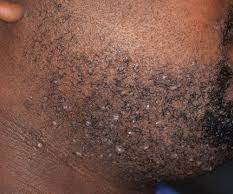
Medically known as Pseudofolliculitis Barbae, shaving bumps are small, irritating bumps that occur after shaving.
Shaving bumps form when cut hair curls back and re-enters the skin instead of growing outward. Your body treats that re-entering hair as a foreign object, triggering an immune response, and the result is the familiar red, swollen, sometimes pus-filled bump along your jawline or neck.
Medically, this condition is called pseudofolliculitis barbae, but beard bumps, razor bumps, ingrown beard hairs, and shaving bumps all refer to the same basic problem.
According to a study published in the Journal of the American Academy of Dermatology, pseudofolliculitis barbae affects up to 60% of Black men who shave regularly. Here is why Kenyan men are disproportionately affected: men with coarse, curly, or tightly coiled hair, which describes the vast majority of African men, are significantly more prone to ingrown hairs after shaving because the natural curl of the hair causes it to re-enter the skin more easily after cutting.
Add Nairobi’s heat and humidity, which increase oil and sweat production and clog follicles, and you have conditions where bumps after shaving thrive.
Just to be clear, this is not a hygiene issue. It is biology; thus, it responds well to the right treatment.
Razor Bumps vs. Ingrown Hairs vs. Folliculitis: What is the Difference?
The main differences among razor bumps, ingrown hairs, and folliculitis lie in their causes and appearances. Razor bumps are raised bumps from hair re-entering the skin’s surface; ingrown hairs grow sideways beneath the skin; folliculitis is a bacterial infection that requires antibiotics.
These terms get used interchangeably, but they are not identical, and confusing them leads to wrong treatment choices.
- Razor Bumps: are raised, red, or skin-colored bumps caused by hair re-entering the skin at the surface. They appear within one to two days of shaving.
- Ingrown Hairs: This occurs when the hair tip stays beneath the skin and grows sideways. You may see the hair looped under the skin, surrounded by inflammation.
- Beard folliculitis: This is a bacterial infection of the hair follicle. It produces pus-filled, painful bumps that spread across a wider area. Unlike standard razor bumps, beard folliculitis treatment requires prescription antibiotics, not just exfoliation and better technique.
| Condition | Looks Like | Treatment Need |
| Razor bumps | Firm red bumps, 1–2 days post-shave | Better technique, exfoliation, topical treatment |
| Ingrown beard hairs | Hair visible under skin, localised swelling | Warm compress, retinoids, clinical extraction |
| Beard folliculitis | Pus-filled, spreading, painful | Prescription antibiotics, dermatologist assessment |
What Causes Bumps After Shaving?
Hair Type and Skin Biology
The sharp tip left by a shaved curly hair is predisposed to curling back into the follicle wall or surrounding skin. Your immune system reads this as an invasion and mounts an inflammatory response. That is, you get a shaving bump. Men with coarser, curlier hair will experience this more often and more severely, regardless of how carefully they shave.
Shaving Habits That Make It Worse
Most men unknowingly make their bumps worse with the following habits:
- Using multi-blade cartridge razors, which cut the hair below the skin surface, leaving a tip that curls back more easily
- Dry shaving or skipping shaving cream, which dramatically increases skin trauma and friction
- Shaving against the grain, especially on the neck, cuts hair shorter and at a sharper angle
- Dull blades drag rather than cut cleanly, causing ragged hair tips and more skin irritation
- Not exfoliating allows dead skin to build up and block follicles, trapping hairs beneath the surface
Shaving Bumps Treatment: From Home Remedies to Clinical Solutions
What Works at Home (For Mild Cases)
For mild, infrequent razor bumps, some home care can help:
- Warm compress held over the affected area for 5–10 minutes—This softens the skin and helps trapped hairs work toward the surface. This is the single most effective home remedy for mild ingrown beard hairs.
- Aloe vera gel – reduces redness and soothes inflamed follicles. Apply it after shaving to calm the skin.
- Salicylic acid exfoliants (cleansers, toners, or serums) dissolve the dead skin cells that block follicles and trap hairs. Used consistently, they reduce the frequency of bumps after shaving.
- Take a shaving break. – Five to seven days without shaving allows inflamed skin to settle and some ingrown hairs to surface on their own.
What Makes Shaving Bumps Worse
- Picking or squeezing bumps introduces bacteria and dramatically increases the risk of scarring and infection. It is the most common mistake men make, and the most damaging one.
- Alcohol-based aftershaves feel like they are doing something, but they strip the skin barrier, dry out the skin, and worsen inflammation.
- Continuing to shave over active bumps** prevents healing and keeps traumatizing already-damaged skin.
The Limit of Home Treatment
Home remedies manage symptoms, but they cannot treat a bacterial folliculitis infection. They cannot release deeply embedded ingrown hairs safely. Further, they cannot fade the dark spots (post-inflammatory hyperpigmentation) that long-term shaving bumps leave behind on darker skin. And they cannot prevent bumps in men whose hair texture makes ingrown hairs structurally inevitable without a targeted clinical plan.
If your shaving bumps keep coming back, are leaving dark marks, or are painful and infected, it is time for professional shaving bumps treatment.
Professional Shaving Bumps Treatment at Silverrose Skin Clinic
At Silverrose Skin Clinic in Kitengela, every man who comes in for shaving bumps treatment gets a full skin assessment before any treatment is recommended. Hair texture, skin type, shaving history, severity of bumps, and whether infection is present will shape the treatment plan. Here is what professional treatment looks like:
Prescription Topical Treatments
Topical retinoids (tretinoin) are among the most effective treatments for razor bumps. They accelerate cell turnover, release trapped hairs, and prevent follicle blockage, and, critically for darker skin tones, they help fade post-inflammatory hyperpigmentation. They must be introduced carefully under dermatologist supervision to avoid irritation.
Prescription antibiotics are used when beard folliculitis is present. They eliminate the infection and prevent it from spreading or recurring. These are significantly more effective than anything available over the counter for infected ingrown hairs.
Topical corticosteroid creams are used short-term to rapidly reduce inflammation, redness, and pain in moderate-to-severe cases, providing relief while other treatments take effect.
Chemical Peels
Chemical peels are among the most powerful and underused shaving bumps treatment for men. At Silverrose Skin Clinic, we offer the following:
- Salicylic acid peels: They penetrate into the follicle, dissolving the dead skin and sebum that trap hairs beneath the surface. They reduce the frequency of ingrown beard hairs significantly with regular sessions.
- Glycolic acid peels: They exfoliates the outer skin layer, release embedded hairs, and accelerate the fading of dark spots. For men who have dealt with shaving bumps for years and carry visible hyperpigmentation on the jawline and neck, these peels are particularly valuable.
Both are calibrated by Silverrose’s dermatologist for African and darker skin tones and specifically for your skin. The wrong concentration on darker skin risks causing further pigmentation problems rather than solving them.
Laser Therapy: The Best Shaving Bumps Treatment for Chronic Cases
If your razor bumps come back every time you shave, laser hair removal is the closest thing to a permanent solution. By permanently reducing hair density in the beard area, laser treatment means fewer hairs are available to become ingrown and cause bumps. Most men who complete a course of sessions report a dramatic and lasting reduction in razor bumps.
Silverrose uses advanced laser technology safe for darker skin tones, an important distinction, as older laser systems caused burns and pigmentation damage on African skin. The dermatologist assesses your skin tone and hair type to determine the right parameters before any session begins.
The cost of laser hair removal is dependent on the location, as seen below.
| Location | Laser Hair Removal Cost |
| Chin | Ksh. 3,500 |
| Moustache | Ksh. 2,000 |
| Full Face | Ksh. 7,500 |
Corticosteroid Injections for Raised, Stubborn Razor Bumps in Men
For men who have developed raised, hardened bumps from years of chronic shaving trauma, bumps that have begun to resemble early-stage keloid scarring. We administer corticosteroid injections directly into the raised tissue. They flatten the bump, reduce inflammation, and break down excess collagen. This is the same technique used in Silverrose’s keloid removal service, applied to severe, chronic razor bumps.
Treating Dark Spots Left by Shaving Bumps
Post-inflammatory hyperpigmentation, the dark marks that remain after bumps heal, can persist for months or years, especially on darker skin. Silverrose treats PIH as part of the overall razor bumps treatment plan, using chemical peels, laser treatments, and prescription topicals (such as azelaic acid or niacinamide) to fade marks and even out skin tone.
Take a moment to book a free men’s consultation this month at Silverrose Skin Clinic
Our board-certified dermatologist will assess your skin and build a personalized treatment plan.
Frequently Asked Questions
Why do I get bumps after shaving?
Because your cut hairs, especially if they are curly or coiled, re-enter the skin instead of growing outward. Your immune system treats the re-entering hair as a foreign object and causes inflammation. Better technique and targeted shaving bumps treatment break the cycle
How to get rid of shaving bumps fast?
A warm compress, stopping shaving temporarily, and a salicylic acid exfoliant can settle mild bumps. For infected or persistent bumps, prescription treatment from a dermatologist works significantly faster than anything available over the counter.
How to treat razor bumps naturally?
Aloe vera gel reduces inflammation, warm compresses help release trapped hairs, and diluted tea tree oil provides mild antibacterial support. These work for mild cases. For moderate-to-severe or recurring bumps, natural remedies are not sufficient and professional treatment is needed.
Is beard folliculitis treatment different from razor bumps treatment?
Yes. Folliculitis involves a bacterial infection of the follicle and requires prescription antibiotics. Razor bumps without infection respond to exfoliation, technique changes, and topical retinoids. A dermatologist can distinguish between them and prescribe the right approach.
Can ingrown hairs cause beard bumps long-term?
Yes, untreated ingrown beard hairs that are repeatedly inflamed can cause permanent scarring and hyperpigmentation. Early intervention with proper shaving bumps treatment prevents this.
The Bottom Line in Shaving Bumps Treatment
Shaving bumps are not something you have to live with. They are a treatable skin condition, one that gets progressively worse and harder to treat the longer it is left unaddressed. Whether you need prescription topicals, a course of chemical peels, laser therapy, or all three, the right treatment starts with a proper skin assessment.
Silverrose Skin Clinic’s lead dermatologist has over 12 years of experience treating skin conditions in Kenyan men. The clinic’s approach is built around African skin types, realistic treatment goals, and lasting results, not generic advice that was not designed for your skin.
This June, your consultation is free. Do not waste it.
Make the move today
📲 WhatsApp +254 704 743 180
You can visit us at: Silverrose Skin Clinic | EPZ Plaza, 4th Floor, Kitengela | Mon–Fri 8AM–7PM | Sat 9AM–4PM